ALG’s Sheja Ehtesham and Ashwani Balayan will be in Chicago for the Intellectual Property Owners Association (IPO) Annual Meeting 2024 from September 22–24. The conference has a interesting line up of sessions on diverse topics like Artificial Intelligence (AI), Future of Clean Energy Driven by IP, Global Strategies for Trademark Protection in the Digital Age, etc.
If you would like to meet with Sheja and Ashwani, please do reach out.
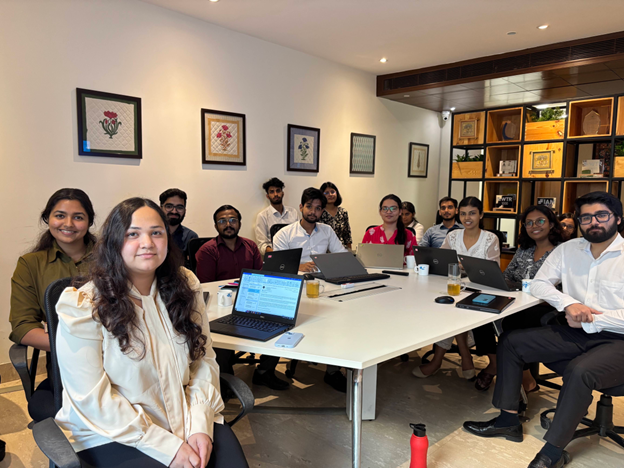
A ‘Legal Issues Seminar- General IP’ (LIS-GIP) was conducted by Naman Keswani, Trainee Associate, on “Is there a threshold for the extent of due diligence observed by an intermediary to avail safe harbour in a trademark infringement suit?”. The seminar discussed relevant provisions under the Information Technology Act, 2000 and the Information Technology (Intermediary Guidelines and Digital Media Ethics Code) Rules, 2021 to determine whether the statute or the Rules provide any threshold for due diligence to be observed by an intermediary. The session analysed various judgments discussing whether merely adding disclaimers in the privacy policies and user agreements by the intermediaries is sufficient due diligence. The members also exchanged their views on whether informing the intermediaries regarding any infringing use of a trademark would amount to “actual knowledge” under the provisions of the Act.
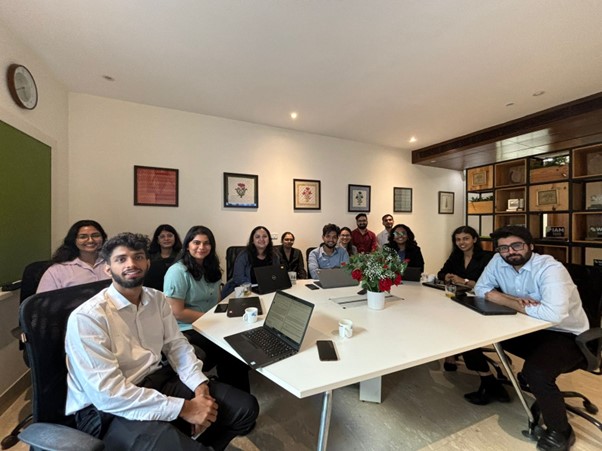
During last week’s PWS Session, Priyanshi Rastogi, Associate, hosted a discussion on “Should creators be compensated by social media companies for use of user-generated content?”. The session commenced with a discussion on whether social media platforms should have a stake in deriving values and benefits from the content of users. The members exchanged ideas on whether there should be a difference between social media platforms’ right to use the content of a public account vis-a-vis a private account. The session then progressed into a discussion on whether the exposure gained by creators through social media justifies the potential loss of financial control for creators and whether legal safeguards are necessary to protect creators’ rights to royalties and compensation. The session concluded with the members conceptualizing an eco-system that balances fostering creative exposure and ensuring fair financial rewards for creators, and whether new legal frameworks are needed to address these issues.
A ‘Legal Issues Seminar- General IP’ (LIS-GIP) was conducted by Atul Bhatt, Associate, on “Whether prosecution history estoppel bars a party from taking a contrary stand in a trademark infringement suit?”. The seminar discussed the principle of ‘estoppel’ with relevant statutory provisions under the Bharatiya Sakshya Adhiniyam, 2023 to determine whether a party can take a position in an infringement suit, which is contrary to the assertions made by them before the Trademark Registry.
The session analysed various judgments discussing the concept of prosecution history estoppel, its relevancy and impact on the party claiming infringement at a subsequent stage. The members also exchanged their views on whether a party should be allowed to shift their stance in a court proceeding or should they necessarily be bound with their statements made before the Trademark Registry.
The session concluded with a discussion on the importance of exercising caution while making submissions before the TM Registry, given the risk that comes with advancing contrary submissions before a Court of Law.
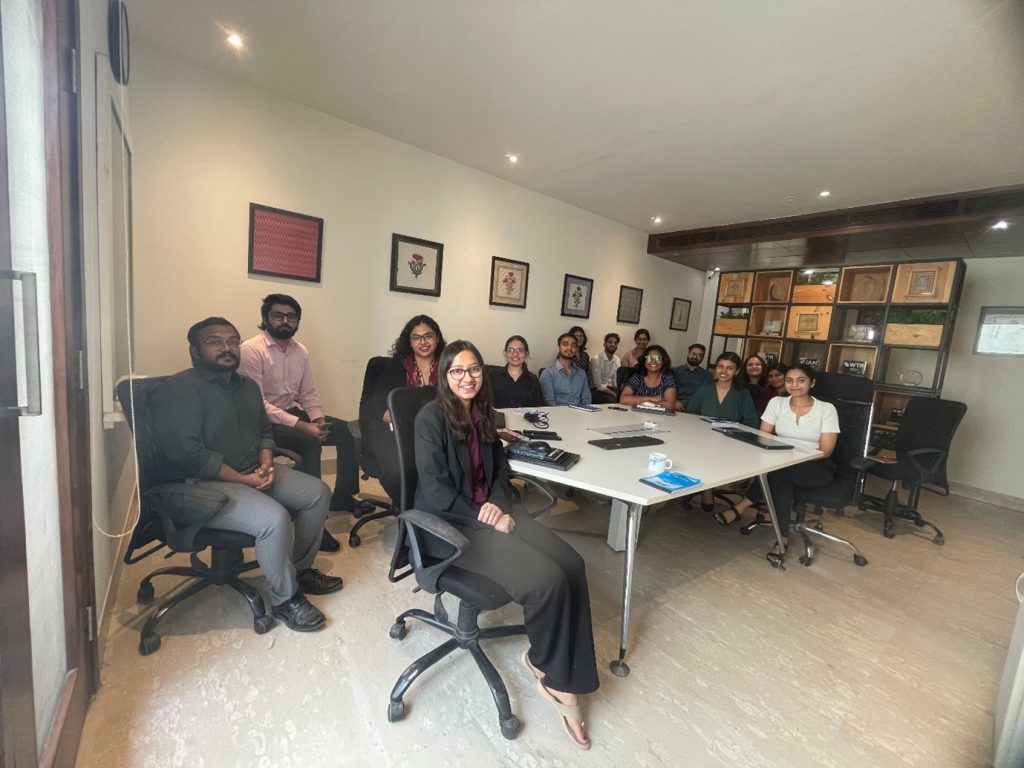
During last week’s PWS Session, Arundathi Krishnadas, Associate, hosted a discussion on “Do limitations placed on customization of third-party branded goods restrict creative expression?”. The session commenced with a discussion on whether there exists an exclusive right to customize which should vest with trademark owners. The members exchanged ideas on whether the defences under trademark law can adequately protect aftermarket customizations as creative expression. The session then progressed into a discussion on the difference in the treatment of customizations for personal use versus customization for commercial benefit. The session concluded with the members conceptualizing an eco-system that counterbalances the rights of trademark owners while also ensuring that customizers can participate in the marketplace.
The contents of this website are meant solely for the purposes of
information and updates, and not for the purposes of advertising or
soliciting. ALG India Law Offices LLP is not responsible for decision(s)
taken by anyone on the basis of information/updates provided in
the website.
By clicking "ENTER" below, you acknowledge that the information/
updates provided on the website does not amount to advertising
or solicitation.