Practice Work Shop (PWS) On “Should Cultural Elements In Fashion Be Accorded Geographical Indications Tags?”

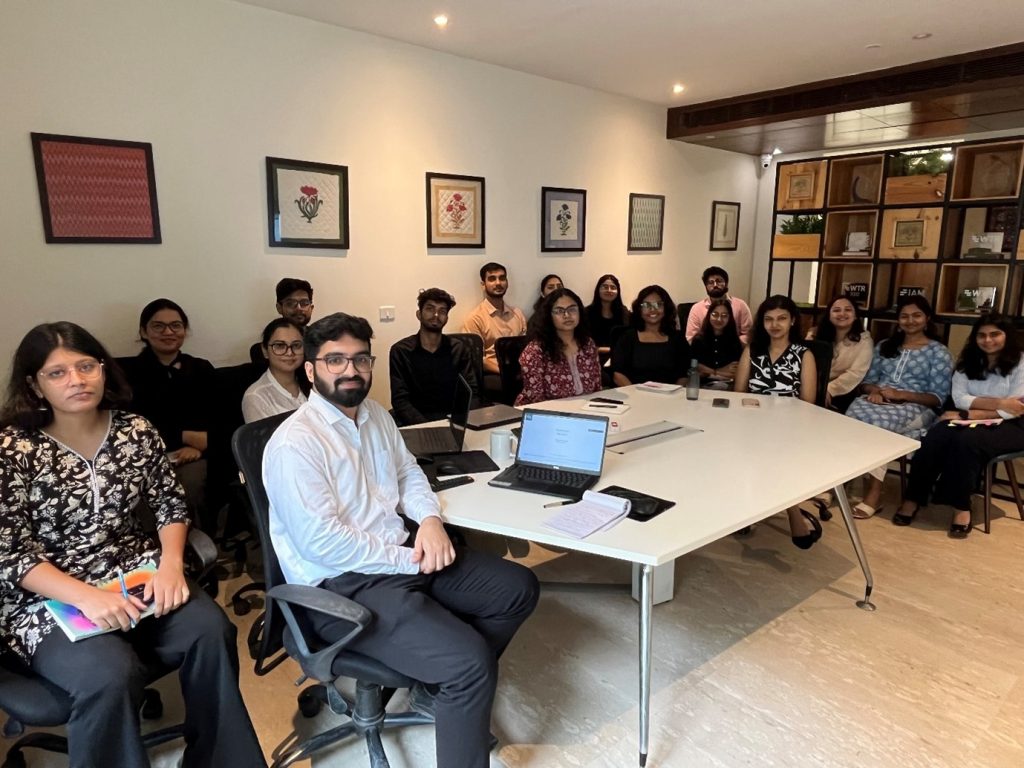
During last week’s Practice Work Shop (PWS), Madhulika Tyagi, Trainee Associate, hosted a discussion on “Should cultural elements in fashion be accorded Geographical Indications tags?”. The session began with a discussion on the commercialization of cultural elements by influential designers. The participants discussed the ability of traditional cultural expressions to supersede geographical boundaries, particularly in the age of internet. The discussion also considered actions that can be taken to ensure traditional knowledge and expression are protected while also allowing for creators to take inspiration from these expressions and continue to create. The participants debated on whether mandatory monetary compensation or attribution can be a sufficient middle ground that allows for use of such expression while also ensuring such expressions continue to derive benefits for the communities which are the originators of such expression.

ALG And Patents Practice Head Ashwani Balayan Feature Among The World’s Leading Patent Practitioners In IAM 1000 Rankings For 2024

We are pleased to announce that ALG and our Patents Practice Chair, Ashwani Balayan, have been recognized by IAM 1000 2024 as one of the leading global firms and professionals in patents, litigation, prosecution, and transactions.

ALG has been ranked for excellence in these areas, underscoring our firm’s commitment to providing outstanding patent services.

More details on the listing by IAM 1000 2024 are available here.

Legal Issues Seminar-General IP (LIS-GIP) On “Whether Cause of Action to file an IP suit arises on the basis of reservations made through third-party websites??”

A ‘Legal Issues Seminar- General IP’ (LIS-GIP) was conducted by Uroosa Shahzad, Associate, on “Whether Cause of Action to file an IP suit arises on the basis of reservations made through third-party websites?”. The seminar discussed relevant provisions under the Code of Civil Procedure, 1908 to determine territorial jurisdiction on the basis of cause of action. The session deconstructed decisions of the relevant High Courts wherein territorial jurisdiction was determined on the basis of online availability of third-party websites that facilitate making of bookings or reservations. The seminar involved an interesting discussion on whether mere online presence of an e-commerce business virtually can be the threshold for determining jurisdiction in cases involving the use of trademarks online. The session concluded with a discussion on whether Section 20 (c) of the Code of Civil Procedure, 1908 should be given a wider interpretation in cases of trademark infringement.

The presentation can be accessed here.

New General IP Interns For July 2024

Interns – Aysha Sasmin, Lavlesh Khandelwal, Niyati Vishwakarma and Harsh Vardhan have commenced their General IP Internship with the firm’s law practice.

We hope their stay in the firm during the 4 week period of their internship will be mutually enriching and that the firm and they will learn exciting things from each other!

Practice Work Shop (PWS) On “Whether manufacturer’s intellectual property rights disproportionally restrict the right to repair?”

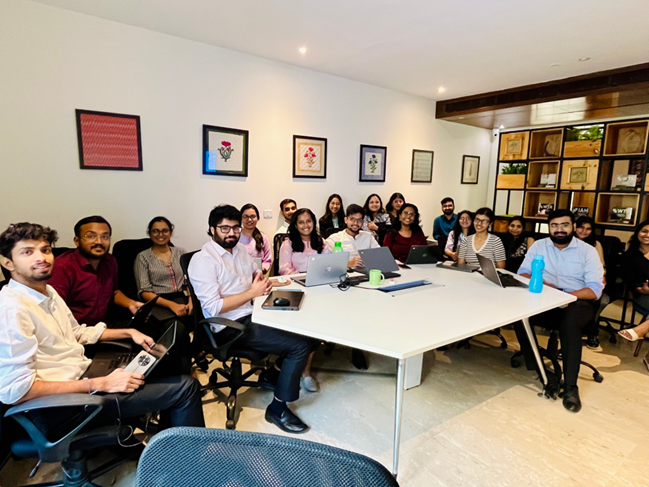
During last week’s Practice Work Shop (PWS), Nivrati Gupta, Associate hosted a discussion on “Whether manufacturer’s intellectual property rights disproportionally restrict the right to repair?”. The session revolved around the members discussing whether manufacturers’ intellectual property rights disproportionately restrict the right to repair. The session discussed how technology companies often limit access to parts, manuals, and software to protect their IP, arguing this is necessary for quality control and innovation. However, the members debated whether current IP enforcement strategies unfairly constrain independent repair services, harming consumer choice and convenience. The discussion emphasized the need to balance IP protections with consumer rights, manufacturer rights and environmental concerns, and considered potential reforms to patent, trademark, and copyright law to enable a more sustainable repair ecosystem.

  • Non Solicitation
  • Data Privacy & Protection
  • Conflict of Interest Policy
  • Data & Document Retention Practice
  • Firm Management Policy
  • Liability
  • Disclaimer
  • Privilege
  • Copyright
  • Billing Policy
  • Pro Bono