ALG’s Book Club ‘Meets For Coffee (Before It Gets Cold)’: A Discussion On Toshikazu Kawaguchi’s ‘Before The Coffee Gets Cold’.

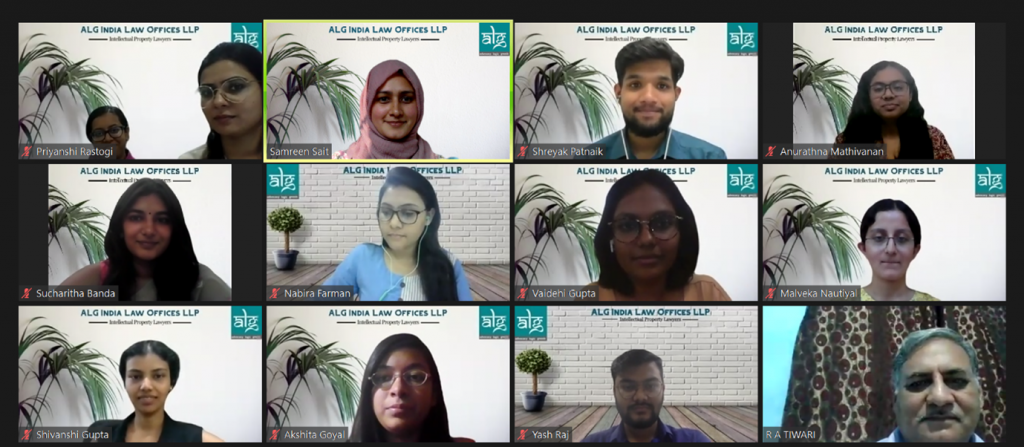
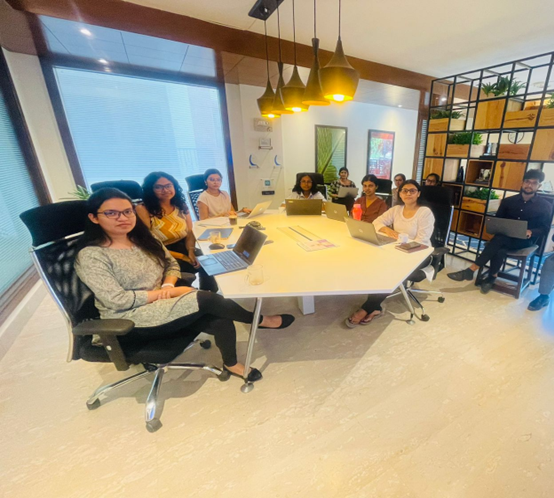
ALG’s Book Club members, old and new, got together last month to explore another intriguing piece of literature. Toshikazu Kawaguchi’s ‘Before the Coffee Gets Cold’ centers around a mystic café in a small back alleyway of Tokyo rumored to allow its customers to travel through time. As comes with all journeys through time, the novel’s plot is set up through various rules, intriguing and perplexing, that allow the customers to travel through time before their coffee turns cold.

The members discussed the universal appeal of time travel plots, and its magical treatment in Kawaguchi’s novel. The simplistic structure of the novel gave the members an opportunity to explore the deeper context of why each character indulged in time travel after being made aware of its rules. And finally, each member took their turn to consider whether they would exercise their option to travel through time.

As always, it was a wonderful time spent over a great cup of coffee, which did get cold!

Pranay Bali To Attend MARQUES Annual Conference, 2023 In Berlin

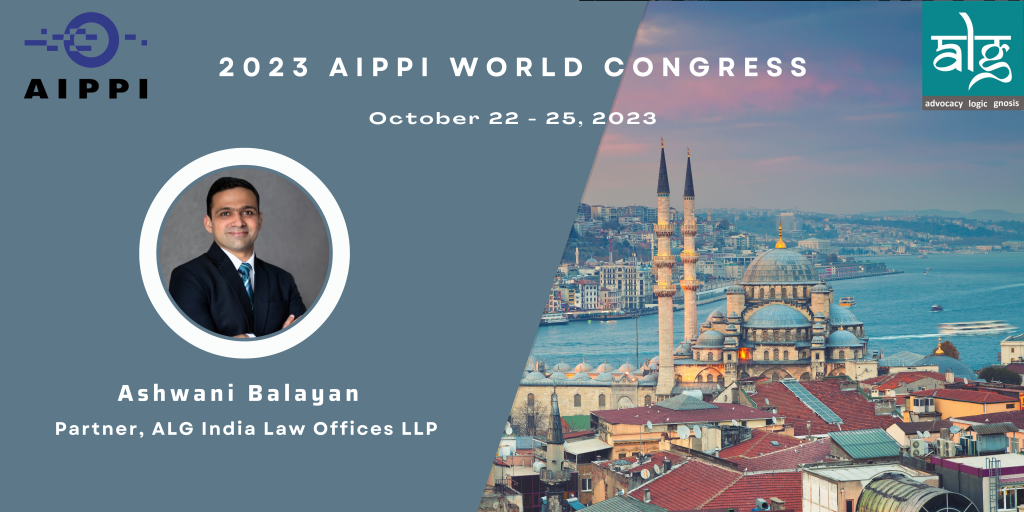
ALG’s Pranay Bali will be attending the 37th MARQUES Annual Conference, scheduled to take place in Berlin from September 19-22.

The conference will address the topic of how diversity and the cultural environment can impact brand authenticity, and will feature discussions on piloting brands, brands in the metaverse, new rules for e-commerce and AI, etc. If you would like to meet with Pranay, please do reach out.

Sheja Ehtesham And Ashwani Balayan To Attend IPO Annual Meeting, 2023 In Boston

ALG’s Sheja Ehtesham and Ashwani Balayan will be in Boston for the Intellectual Property Owners Association (IPO) Annual Meeting 2023 from September 10–12. The event brings together leaders in the IP industry from around the world to discuss strategies, trends, and best practices. This year’s program includes a panel discussion on Protection of Design Rights in the Virtual World which will be moderated by Ashwani.

Legal Issues Seminar-General IP (LIS-GIP) On Would The “Exclusivity” Principle Derived From The Absolute Grounds Of Refusal Of A Trademark Imply Exclusion Of The “Dominant Part” Principle?

A ‘Legal Issues Seminar- General IP’ (LIS-GIP) was conducted by Akshita Goyal, Trainee Associate, on “Would the “Exclusivity” Principle Derived from the Absolute Grounds of Refusal of a Trademark imply Exclusion of the “Dominant Part” Principle?”. The seminar explored the provision of Section 9(1)(b) of the Trade Marks Act, 1999, which lays down the conditions inviting an objection to registration of a trademark on the ground of descriptiveness. The session delved into the various judicial decisions that analyzed registrability of a composite device mark vis-à-vis descriptiveness. The seminar focused on decisions where courts have employed the “dominant part” principle while determining registrability of a composite device mark. The session concluded with an insightful discussion on the recent developments in the judicial outlook on the application of “exclusivity” principle and “dominant part” principle in consideration of descriptiveness objection.

The presentation can be accessed here.
Practice Work Shop (PWS) On “Can use of blockchain technology in supply chains combat counterfeiting?”

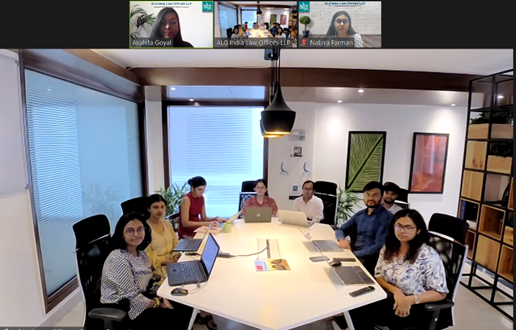
During last week’s PWS Session, Nabira Farman (Trainee Associate) led a discussion on the topic “Can use of blockchain technology in supply chains combat counterfeiting?” The session commenced with a discussion on how blockchain technology can be applied to supply chain management in businesses to prevent instances of counterfeiting. The members deliberated upon real time instances of such application of blockchain technology by Walmart and the lessons learned from creating a blockchain-enabled system. The discussion delved into whether the potential benefits of adopting a blockchain-enabled system outweigh the costs incurred and the resources expended to overcome the many challenges if it is applied to business-critical functions. The members debated and discussed regulatory and logistical challenges faced by business in successful implementation of this technology to combat counterfeiting. The session concluded with the members deliberating upon whether consumers across industries would truly benefit from the technology and if delivery of authentic goods can be ensured.

  • Non Solicitation
  • Data Privacy & Protection
  • Conflict of Interest Policy
  • Data & Document Retention Practice
  • Firm Management Policy
  • Liability
  • Disclaimer
  • Privilege
  • Copyright
  • Billing Policy
  • Pro Bono