Practice Work Shop (PWS) On “Whether Granting Protection To Green Trademarks Encourages Greenwashing?”

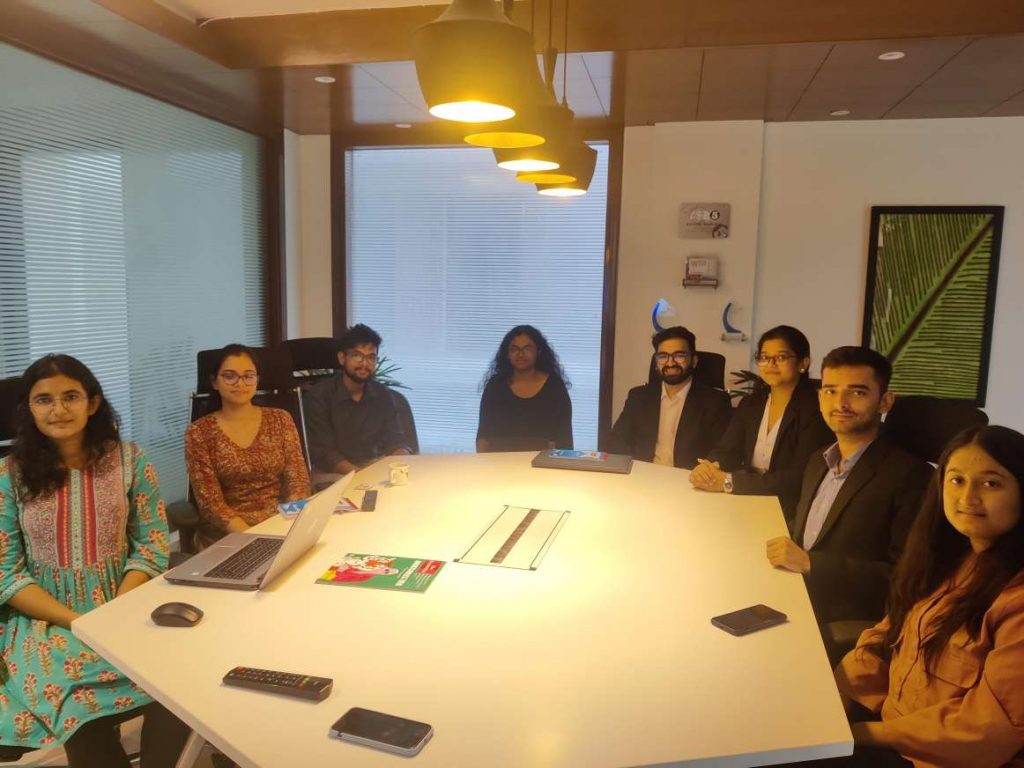
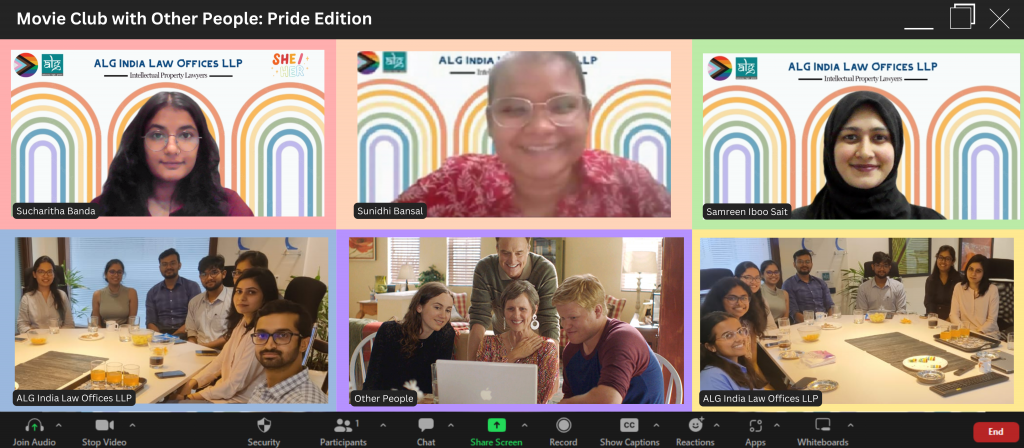
During last week’s PWS Session, Uroosa Shahzad, Associate, led a discussion on “Whether Granting Protection to Green Trademarks Encourages Greenwashing?” The session commenced with a brief discussion on what would entail a green trademark and the reasons for the rise in number of applications seeking protection of such marks. The discussion delved into the effects of granting protection to green trademarks vis-à-vis promotion of sustainable practices. The members debated and discussed whether protection and use of green trademarks adversely impact the consumer’s perspective of eco-labels. The session concluded with the members brainstorming on the possible limitations or conditions which can be imposed to balance allowing protection of green trademarks while also preventing greenwashing.

ALG Associate Yash Raj To Judge First MNLU National Mediation Competition 2023

ALG Associate Yash Raj will serve as a judge in the Preliminary Rounds of the 1st National Mediation Competition, 2023 being organized by Attorney’s Bar in collaboration with Maharashtra National Law University, Aurangabad from June 23-25, 2023. The event will have participation from teams from across India who shall be competing in various rounds to qualify for the Finals.

Special Legal Issues Seminar-General IP (SLIS-GIP) On ‘Notable Delhi HC IP Division Decisions Pertaining To Section 9 Of The Trade Marks Act, 1999’

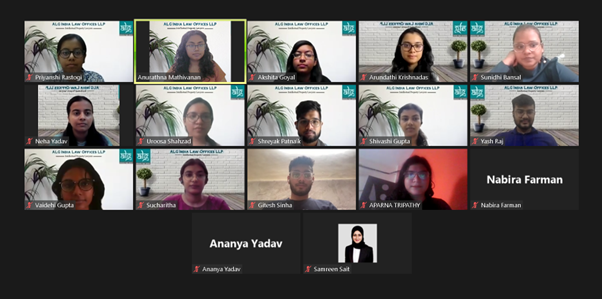
A ‘Special Legal Issues Seminar – General IP’ (SLIS-GP) was conducted by Priyanshi Rastogi, Trainee Associate on “Notable IP Division Decisions Pertaining to Section 9 of the Trade Marks Act, 1999”. The seminar delved into the decisions of the IP Division of the Delhi High Court which had analysed the scope of Section 9 of the Trade Marks Act, 1999. To better understand the applicability of various decisions of the IP Division to the evolving IP practice, the members engaged in a dialogue on the decisions rendered by the IP Division on various aspects of absolute grounds of refusal of registration under Section 9, including, anti-dissection principle, the concept of distinctiveness vis-à-vis descriptiveness, factors for ascertaining acquired distinctiveness, and use of geographical name in composite marks. The session was attended by ALG’s Of Counsel, Mr. R. A. Tiwari, who provided the members with his invaluable insights on examination of trade marks in light of the proscriptions under Section 9 of the Act.

The presentation can be accessed here.
Special Legal Issues Seminar-General IP (SLIS-GIP) On “Notable IP Division Decisions Pertaining To Section 11 Of The Trade Marks Act, 1999”

A ‘Special Legal Issues Seminar – General IP’ (SLIS-GP) was conducted by Shreyak Patnaik, Trainee Associate on “Notable IP Division Decisions Pertaining to Section 11 of the Trade Marks Act, 1999”. The seminar analyzed decisions wherein the Delhi High Court’s IP Division interpreted different aspects of Section 11 of the Trade Marks Act, 1999. The seminar delved into the jurisprudential influence of recent decisions on trademark law and practice. To better understand the applicability of the various decisions of the IP Division to the evolving IP practice, the members engaged in a dialogue on the decisions rendered by the IP Division on various aspects of statutory provision, including, similarity of goods in light of “likelihood of confusion” and reconciliation of the “dominant part” principle vis-à-vis anti-dissection principle.

The presentation can be accessed here.
Practice Work Shop (PWS) On “Would The Limited Licensing Strategy Adopted By Museums Impact Scholarship In Cultural Heritage?”

During last week’s PWS Session, Anurathna Mathivanan, Associate, led a discussion on “Would the Limited Licensing Strategy Adopted by Museums Impact Scholarship in Cultural Heritage?”. The session discussed the various historical artifacts and works that are preserved by museums and whether such works can be protected under the framework of copyright laws. The discussion delved into digitization of works held by museums, and its effect of liberalization of academic and commercial cultural scholarship. The discussion debated on the aspects of consideration regarding limited licencing strategies that are employed by museums. The members concluded the session with a discussion on the scope of copyright protection that may work to balance the revenue interests of museums and access to historical works to the public.

  • Non Solicitation
  • Data Privacy & Protection
  • Conflict of Interest Policy
  • Data & Document Retention Practice
  • Firm Management Policy
  • Liability
  • Disclaimer
  • Privilege
  • Copyright
  • Billing Policy
  • Pro Bono