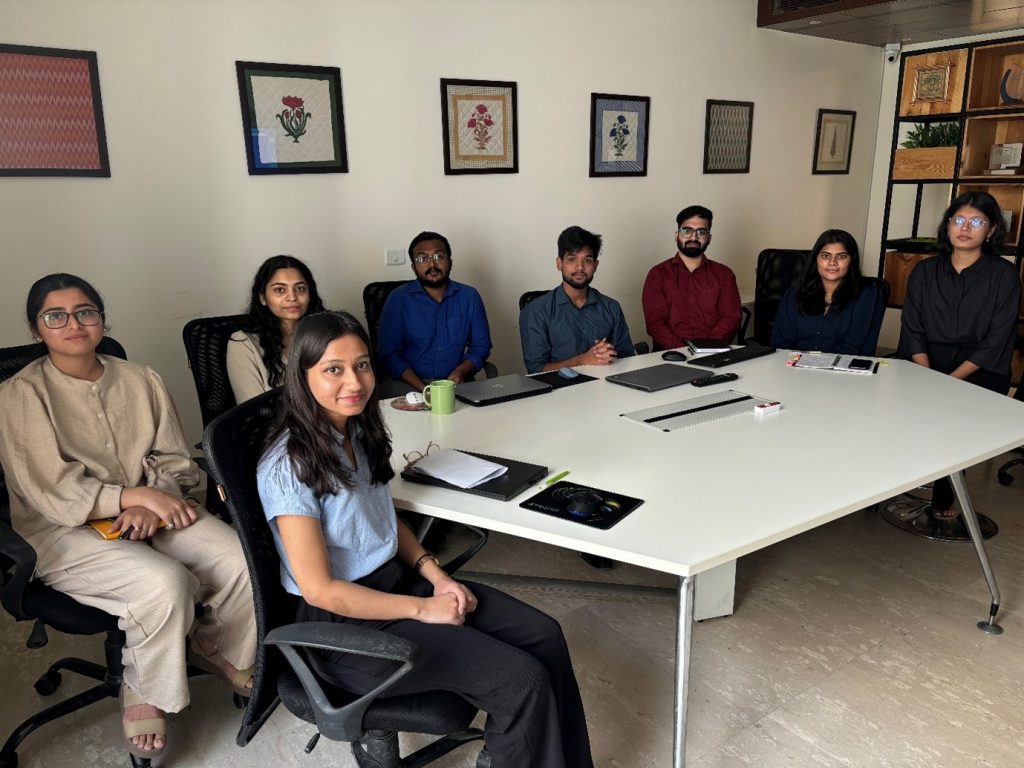
Legal Issues Seminar-General IP (LIS-GIP) On “Whether a Plaintiff can claim infringement based on similarity of a mark with the disclaimed part of the trademark?”

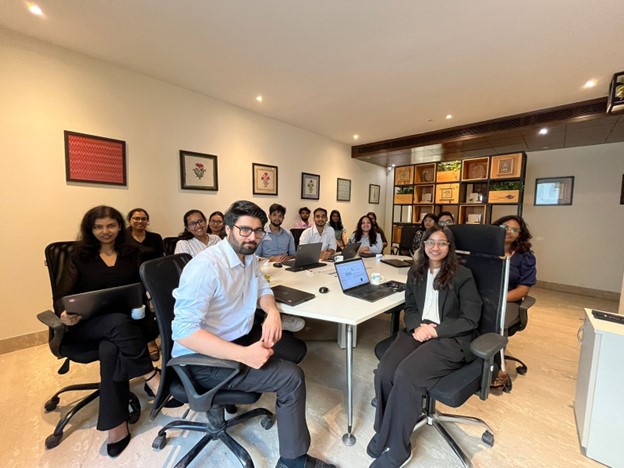
A ‘Legal Issues Seminar- General IP’ (LIS-GIP) was conducted by Priyanshi Rastogi, Associate, on “Whether a Plaintiff can claim infringement based on similarity of a mark with the disclaimed part of the trademark?”. The seminar discussed relevant provisions under the Trade Marks Act, 1940 and the Trade Marks Act, 1999 to determine whether a Plaintiff can claim trademark infringement on the basis of similarity of a mark with the disclaimed part of the trademark. The session analysed various judgments discussing the purpose of disclaimers and its impact on the ability of a trademark proprietor to claim trademark infringement vis-à-vis passing off. The members also exchanged their views on whether a Plaintiff can claim that the defendant has infringed the Plaintiff’s mark because it has copied the disclaimed part of the trademark. The session concluded with a discussion on whether the Registry can suo moto include disclaimers while granting of a trademark registration.

The presentation can be accessed here.

Special Legal Issues Seminar-General IP (SLIS-GIP) On “Is The Applicant Obligated To Serve The Counter-Statement Upon The Opponent In A Trade Marks Opposition Proceeding?”

A ‘Special Legal Issues Seminar- General IP’ (SLIS-GIP) was conducted by Anurathna Mathivanan, Senior Associate and Nivrati Gupta, Associate, on “Is the Applicant obligated to serve the Counter-Statement upon the Opponent in a Trade Marks Opposition proceeding?”. The seminar discussed an aspect of the Delhi High Court’s decision in Sun Pharma v. Dabur India wherein the Court, in passing, observed that under the Trade Marks Rules, 2002 and Trade Marks Rules, 2017, onus of the service of Counter-Statement in an opposition proceeding is on the Applicant or at the very least, not a duty of the Registrar. The session attempted to dissect the implications of this observation made by the Court and the interpretation of Section 21(3) of the Trademark Act vis-à-vis the Trade Mark Rules.

The presentation can be accessed here.

Practice Work Shop (PWS) On “Whether Considering Directors As Authors Of Film Would Be Necessary For Holistic Protection Of Cinematographic Films?”

During last week’s PWS Session, Shreyak Patnaik, Associate, led a discussion on ‘Whether considering directors as authors of film would be necessary for holistic protection of cinematographic films?’ The session began with a discussion on what authorship entails and whether a director’s contribution can be considered a work of authorship. The participants discussed whether allowing authorship rights will unfairly prejudice producers’ rights in cinematograph films. The participants also debated on whether a director is already fairly compensated through the current practice of contractually provided rights. The discussion concluded with the participants providing concluding remarks on whether only extending moral rights will be sufficient protection owing to the intangible nature of a director’s contribution to a film

Legal Issues Seminar-General IP (LIS-GIP) On “Does the unauthorized use of a trademark by way of spoken use in a critical comment result in infringement?”

A ‘Legal Issues Seminar- General IP’ (LIS-GIP) was conducted by Devesh Kapoor, Associate, on “Does the unauthorized use of a trademark by way of spoken use in a critical comment result in infringement?”. The seminar discussed relevant provisions under the Trade Marks Act, 1999 to determine infringement of trademark by spoken use as well as visual representation. The session deconstructed decisions of the Supreme Court and High Courts wherein infringement was sought to be determined based on spoken use and visual representation, such as via cinematograph films. The seminar involved an interesting discussion on whether intent of the spoken use and visual representation holds value in determining infringement by detriment to reputation of a trademark. The session concluded with a discussion on the difficulty of balancing brand protection with the need for open public discourse, reflecting the challenge of harmonizing legal principles with free speech and creative expression.

The presentation can be accessed here.

  • Non Solicitation
  • Data Privacy & Protection
  • Conflict of Interest Policy
  • Data & Document Retention Practice
  • Firm Management Policy
  • Liability
  • Disclaimer
  • Privilege
  • Copyright
  • Billing Policy
  • Pro Bono